
Panchakarma
What Is Panchakarma?
Panchakarma is a traditional Ayurvedic wellness process that uses special therapies to support natural detoxification and rejuvenation. It is classical Ayurvedic cleansing and restoration physician‑supervised, personalised, and gentle.
Panchakarma, meaning “five actions,” is a comprehensive system designed to eliminate deep-seated impurities and stress from the body. This therapeutic approach involves a series of five primary treatments: Vamana (therapeutic emesis), Virechanam (therapeutic purgation), Vasthy (therapeutic enema), Nasyam (nasal administration of medicine), and Raktamokshana (bloodletting). The specific combination of these therapies is carefully tailored based on an individual’s unique symptoms and health condition.
Panchakarma supports well‑being and lifestyle change. It does not replace medical diagnosis or treatment. Suitability is confirmed only after clinical assessment.
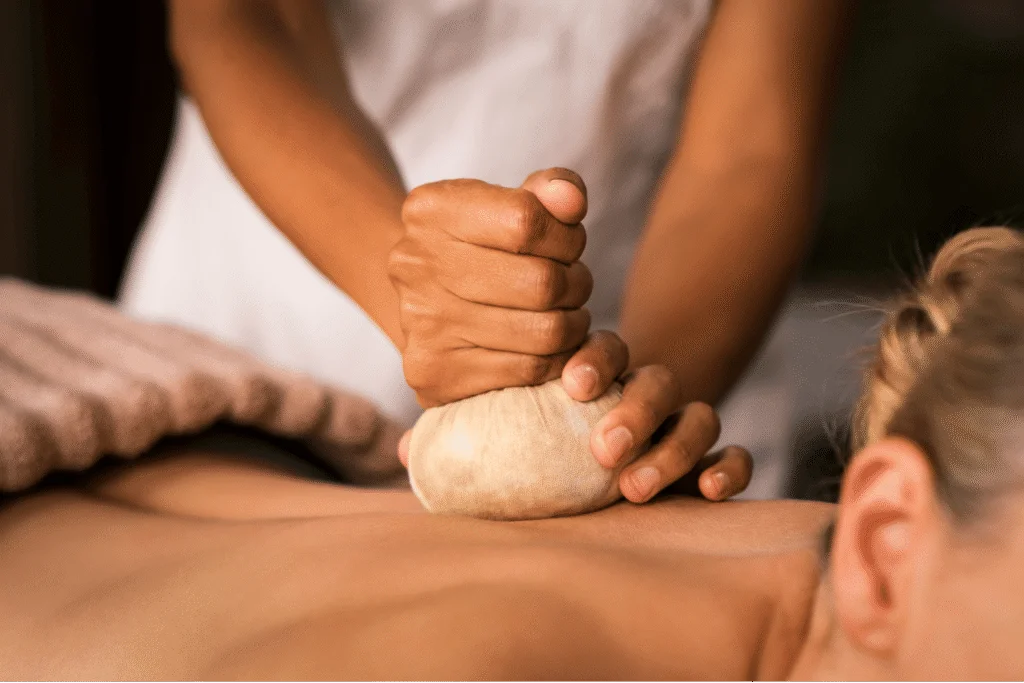
At SNDH Care, every plan starts with an Ayurvedic consultation and is guided by experienced Ayurvedic doctors and personalized to each individual.
How It Works - The 3 Phases of Panchakarma
A traditional Ayurvedic treatment process that focuses on preparation, personalised therapies, and proper recovery.
Poorva Karma
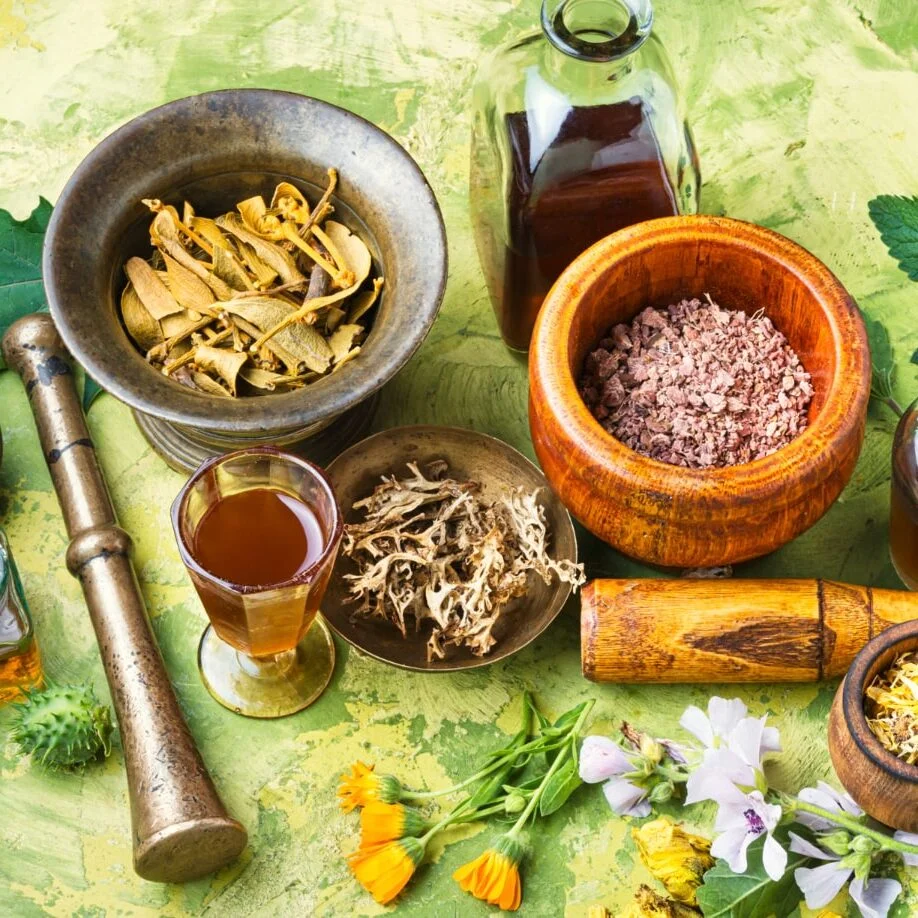
Includes: Snehana, Swedana, and dietary & lifestyle guidance
Prepares the body for Panchakarma by supporting relaxation, digestion, and readiness for the main treatment.
Pradhāna‑karma
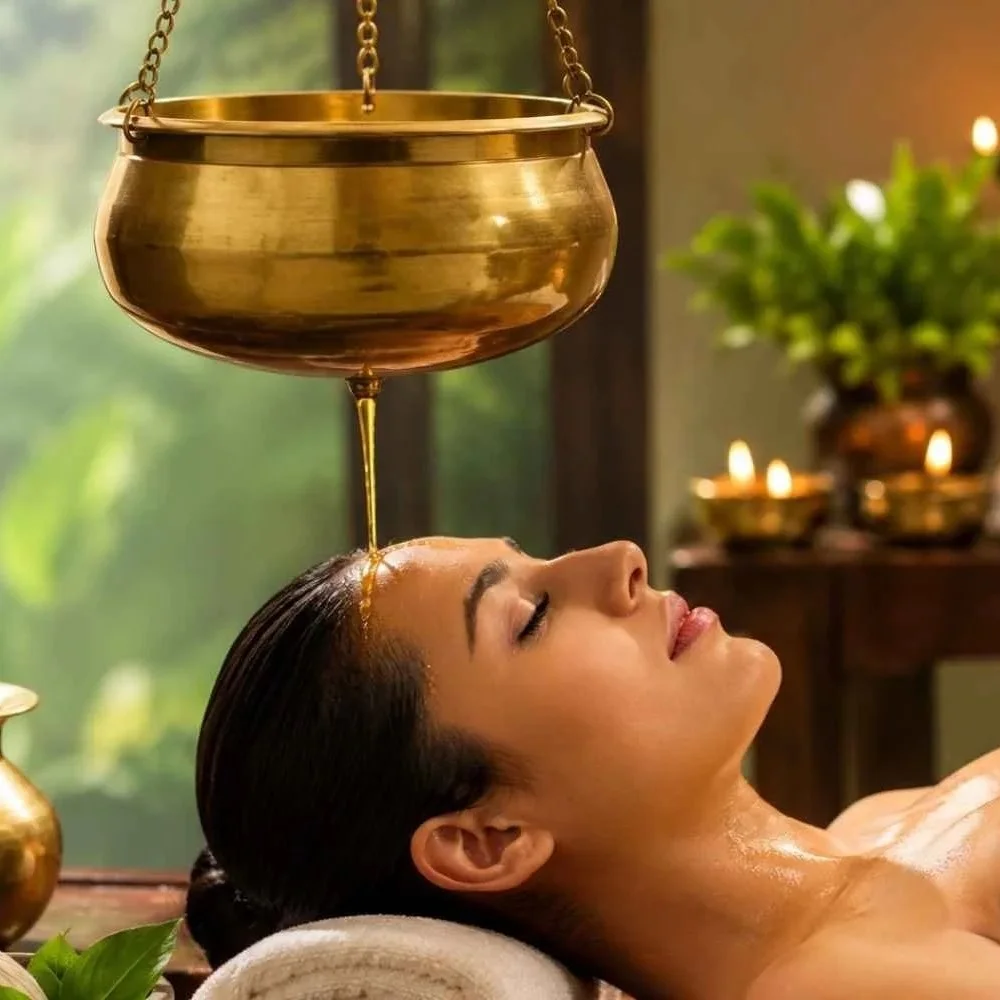
The main Panchakarma treatment uses therapies selected according to your body constitution, condition, and individual needs.
Includes:
Vamana, Virechana, Basti, Nasya, Raktamokshana
Paścāt-karma
Samsarjana‑krama
Helps gradually bring the body back to a regular diet and daily routine after the main treatment.
Includes:
Samsarjana Krama, dietary guidance, rest & post-treatment care
Panchakarma Healing Process
Experience the power of Ayurveda & Panchakarma for holistic healing and lasting wellness
Vaman
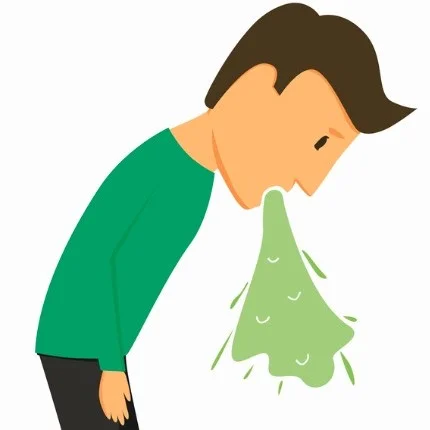
Clears excess Kapha Dosha from the body. Helps remove toxins, improve breathing, and boost immunity.
Virechana
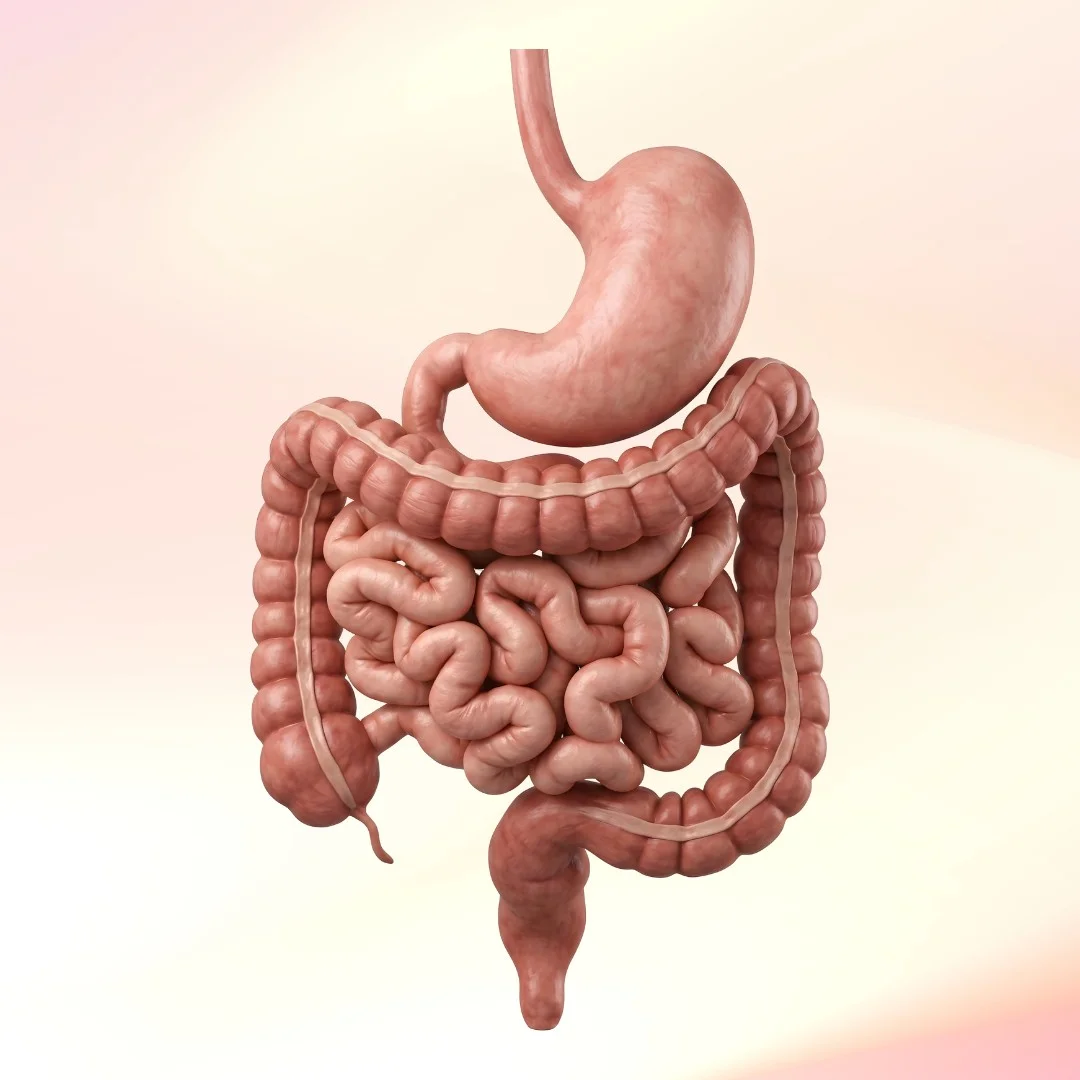
Removes excess Pitta Dosha through gut cleansing. Improves digestion, metabolism, and skin health.
Nasya
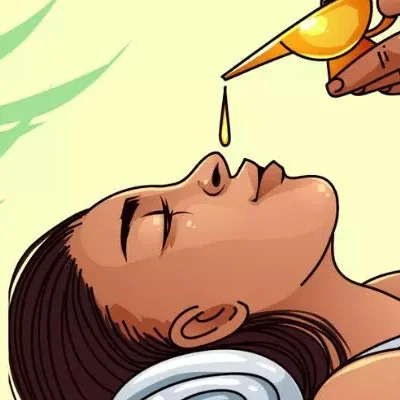
Helps balance Kapha and Vata Dosha. Cleanses the head and nasal passages, improving breathing and mental clarity.
Basti
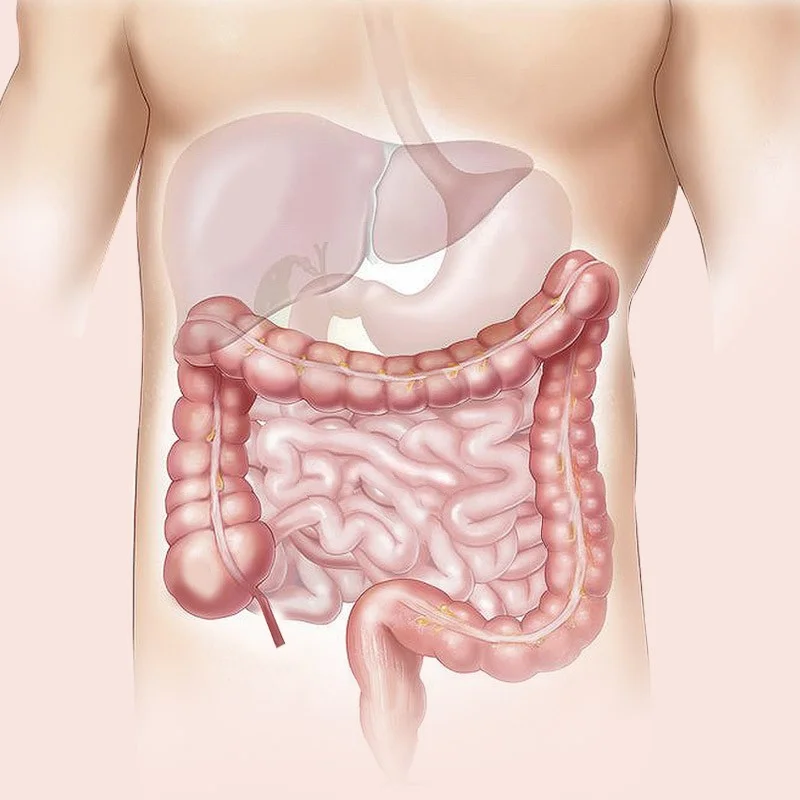
Balances Vata Dosha and nourishes the body. Detoxifies, strengthens the nervous system, and supports overall wellness.
Raktamokshana
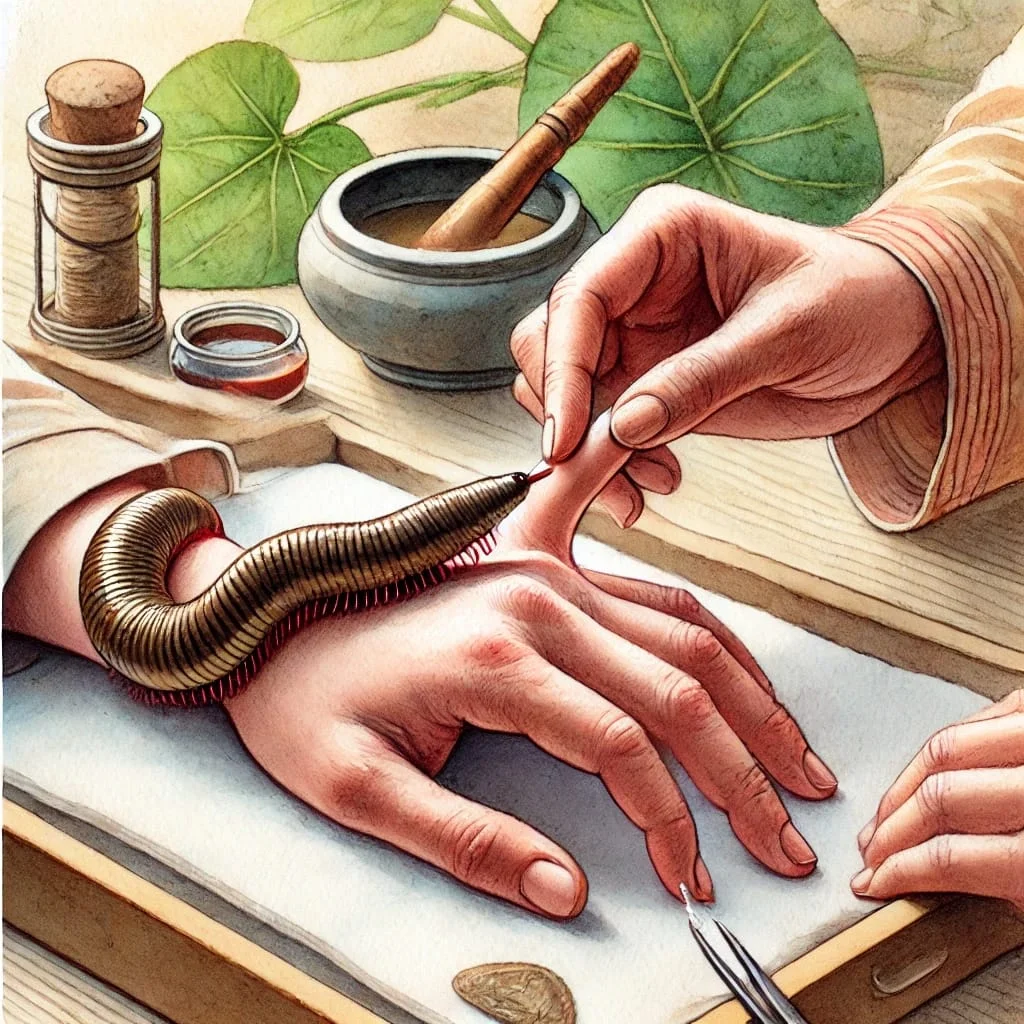
Helps balance Pitta Dosha by purifying the blood. Supports healthy skin and better circulation.
Principles of Panchakarma
The principles of Panchkarma are rooted in the fundamental concepts of Ayurveda that guide its approach to health and healing:
01
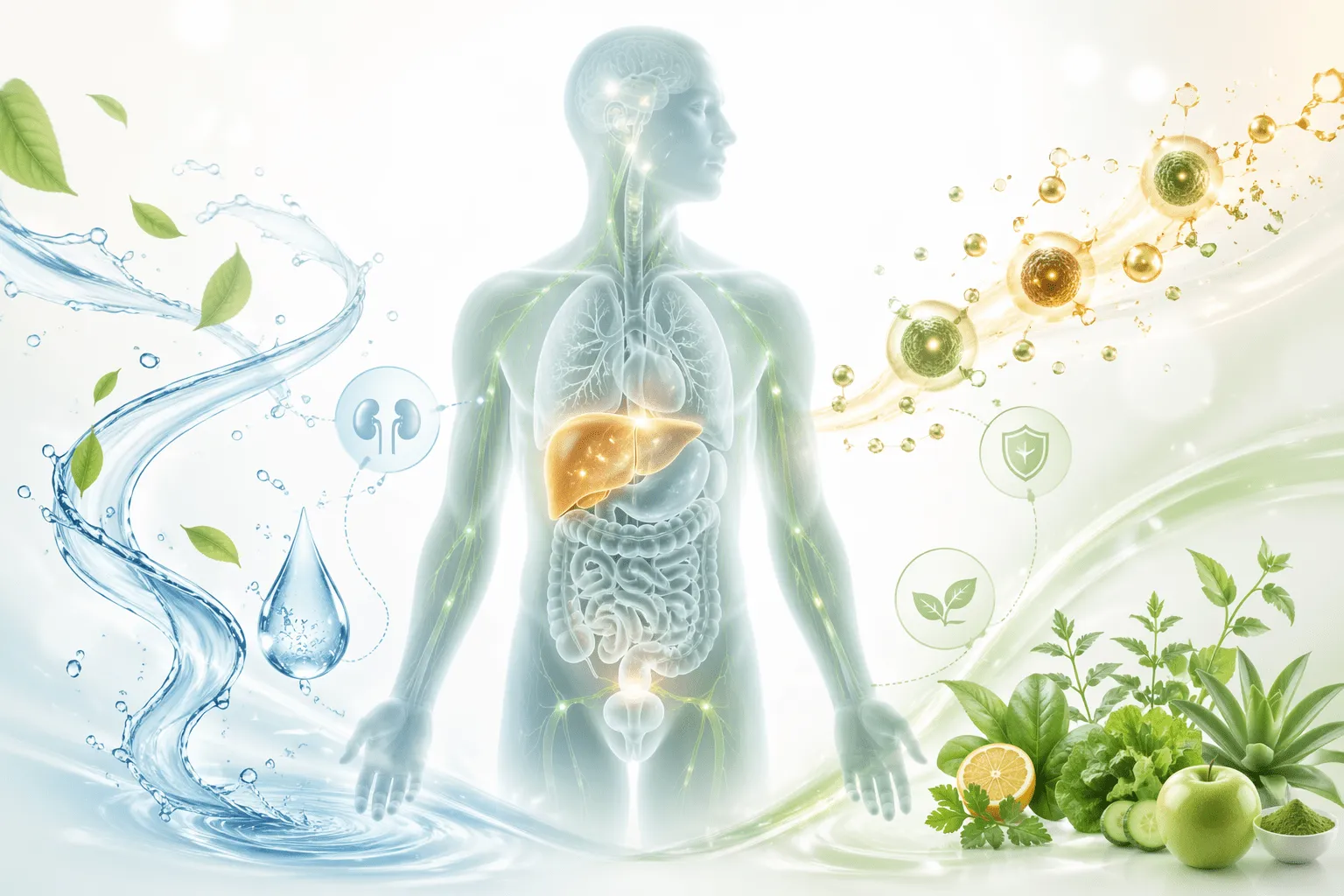
Detoxification ( Shodhana )
The primary goal of Panchkarma is to eliminate toxins, impurities, and metabolic waste products (ama) from the body.
Through a series of treatments such as Vamana (therapeutic vomiting), Virechana (therapeutic purgation), and Basti (therapeutic enema), Panchkarma cleanses the tissues, organs, and channels of the body, promoting detoxification and purification at a deep level.
02
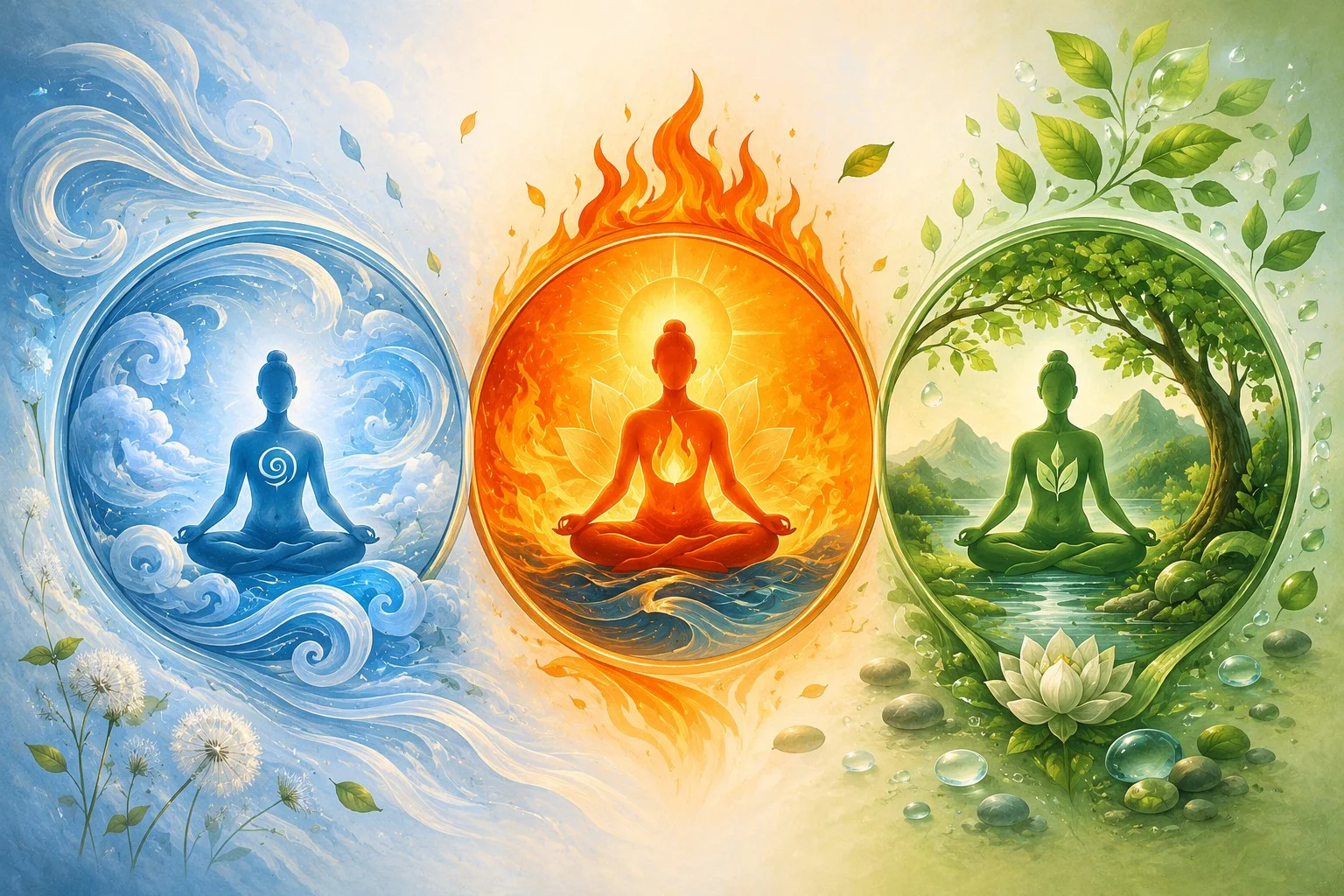
Balancing the Doshas
Ayurveda recognizes three fundamental energies or doshas—Vata, Pitta, and Kapha—that govern various physiological functions in the body. Imbalances in these doshas can lead to disease & discomfort.
Panchakarma balances the doshas by addressing underlying imbalances and restoring equilibrium to the body, mind, and spirit.
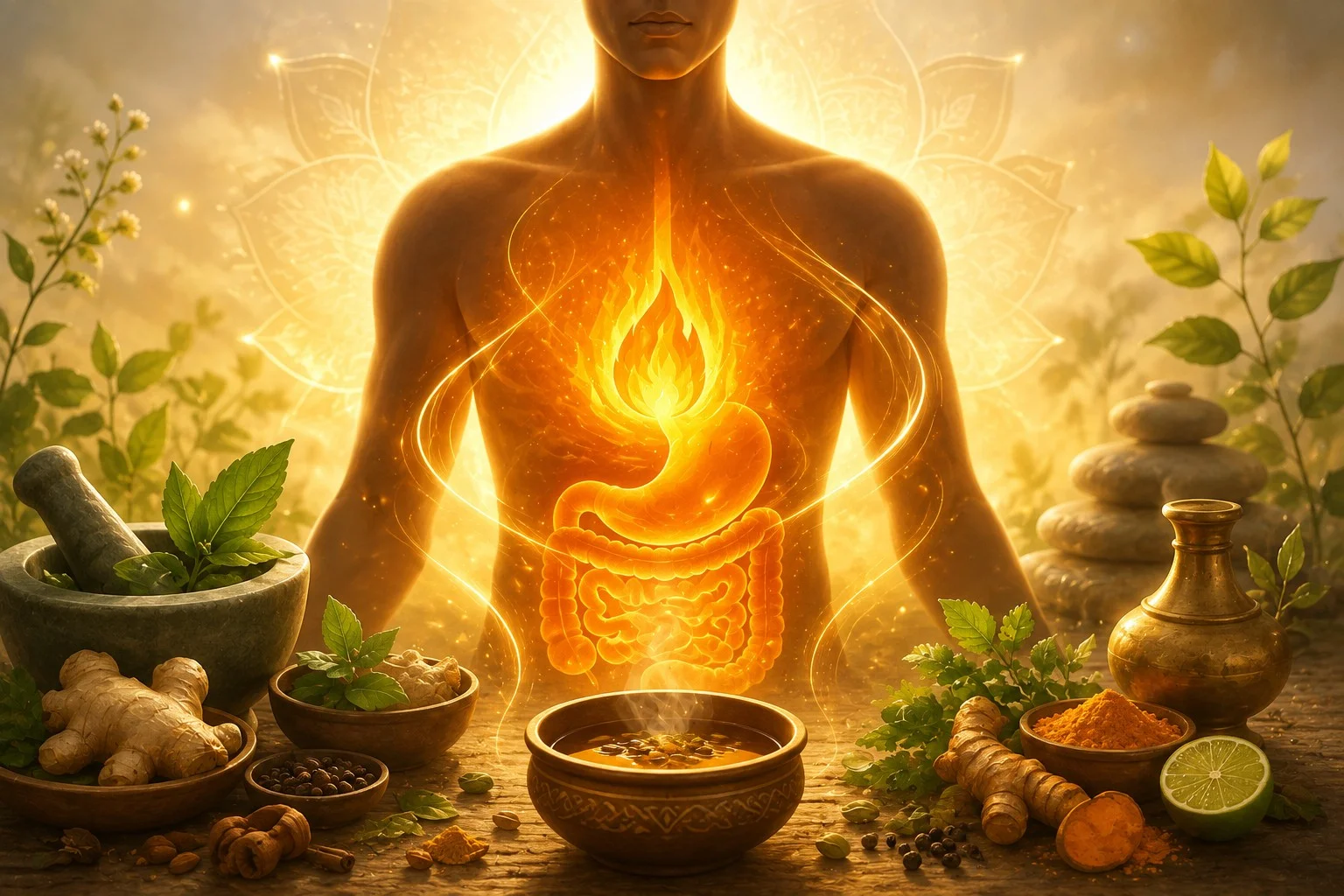
Strengthening the Agni ( Digestive Fire )
Digestive fire (Agni) is essential for proper digestion, metabolism, and assimilation of nutrients.
Weak digestion can lead to the formation of toxins and imbalances in the body.
Panchakarma therapies help to strengthen the digestive fire, improve digestion, and enhance the body’s ability to eliminate toxins and maintain optimal health.
03
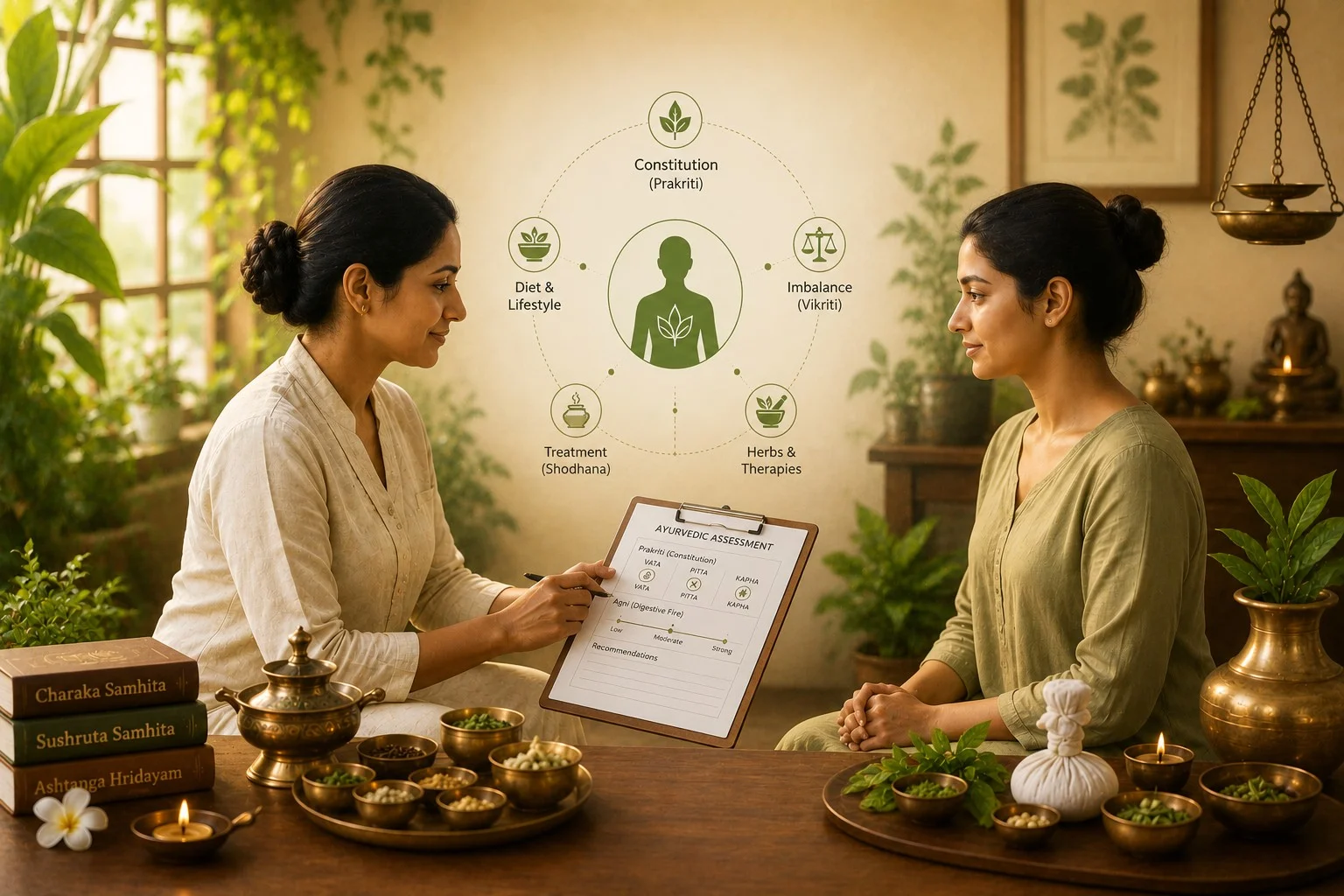
Individualized Care
Recognizing that each person is unique in their constitution, health status, and lifestyle, Panchkarma emphasizes individualized care & treatment plans.
Our Doctors assess a person’s Prakruti (natural constitution) and Vikruti (current state of imbalance) to tailor therapies and recommendations accordingly, ensuring optimal results and minimal risk of adverse effects.
04
Who is it for?
Digestive & metabolic balance
heaviness, bloating, irregular appetite, sluggishness.
Musculoskeletal comfort
stiffness, recurrent aches, postural tension
Skin & scalp support
dryness/roughness, oil imbalance, seasonal flares (as advised)
Stress, sleep & mind
restlessness, fatigue, shallow sleep, overdrive
Respiratory ease
seasonal congestion, head–neck load; post‑illness convalescence (only with clearance)
Women’s health routines
peri‑menopause transitions, cycle comfort (timed away from menstruation)
Pre‑program preparation
(What we do together)
Clinical history, vitals, and relevant labs (as advised).
Explain what to expect, precautions, and consent.
Set a realistic schedule (typically 10–21+ days depending on goals and responses).
Plan for lighter work/social load during intensive days.
A typical day during Panchakarma
(illustrative)
Quiet morning start → vitals & doctor check‑in.
Abhyanga (warm oil application) → Swedana (steam) as pre‑procedure.
Main procedure on indicated days (e.g., virechana or basti); otherwise supportive care.
Simple, warm meals at set times; hydration guidance.
Rest, gentle walks, breath‑led relaxation; screen and stimulation kept low.
Diet & recovery – Samsarjana‑Krama
(post‑procedure)
Stage 1
thin rice gruel (peya/kanji).
Stage 2
thicker gruel (vilepi).
Stage 3
soft rice + light lentils/vegetables (yavāgu/khichri‑style).
Stage 4
gradual return to regular, warm, fresh meals.
Spices, oils, and portions are adjusted case‑by‑case. No fasting or extremes unless prescribed.
Safety, eligibility & contraindications
Physician‑reviewed contraindications may include: pregnancy, active infection/fever, uncontrolled BP/diabetes, severe anemia, active ulcers, recent surgery, frailty, acute psychiatric crises.
Medications are not stopped or altered without your treating doctor’s advice.
Informed consent; hygienic protocols; vitals monitoring when indicated.
We coordinate with your physician upon request.
What you may notice over time
Lighter digestion, clearer appetite cues, reduced abdominal discomfort.
Ease and suppleness in joints and soft tissue.
Calmer mind, steadier energy, improved sleep quality.
Skin comfort and scalp balance.
A renewed baseline for sustainable lifestyle change.
Timelines vary. Many guests observe a shift within 2–4 weeks with adherence to guidance.
Removes Toxins Naturally
Panchakarma removes toxins from the body and helps in healing the mind-body.
Strengthens Immunity
Immunity improvises through Panchakarma. Because the removal of toxins helps in the normal working of the system.
Balances Hormones and Emotions
Panchakarma helps in balancing Vata, Pitta, and Kapha. Because through panchakarma excess of these doshas remove through Panchakarma.
Reduces stress and anxiety and depression
When the body cleans from the inside, it also soothes the mind too. Therefore Panchakarma works well in conditions of stress and anxiety and depression.
Improves Digestion and Metabolism
Cleanses the digestive tract, boosts metabolism, and helps absorb nutrients better.
Supports Weight Loss
It also helps in reducing body weight as toxins and waste are removed through this process.
Understand Panchakarma Therapy from Our Experts
Why Choose SNDH Care for Panchakarma Treatment
Every Wellness Journey is guided by experienced ayurvedic doctors and planned according to individual health requirements.

Experienced Ayurvedic Team
Our doctors bring years of specialized clinical experience in Panchakarma therapies.

Personalized Attention
Each patient receives focused, individualized care from consultation to follow-up.

Professional Clinical Setup
Modern, hygienic facilities designed to international wellness standards.

Wellness-Focused Approach
We focus on long-term well-being and sustainable health outcomes.
FAQs
What conditions can Panchakarma help with?
Panchakarma supports joint pain, back pain, skin issues, stress, migraine, breathing problems, and digestive disorders. It also helps improve overall health and quality of life.
How often should Panchakarma be done?
For general wellness and detox, Panchakarma is usually recommended once or twice a year. However, the frequency may vary depending on your health condition and doctor’s advice.
Do I need a consultation before starting Panchakarma?
Yes, a consultation is important to understand your body type (dosha), health condition, and goals. Based on this, a personalized treatment plan is created.
Is Panchakarma painful or uncomfortable?
Most Panchakarma therapies are gentle and relaxing. Some procedures may feel slightly uncomfortable, but they are not painful and are done carefully under expert supervision.
How does Panchakarma help balance Doshas?
Panchakarma removes toxins and restores the natural balance of Vata, Pitta, and Kapha through personalized therapies.