
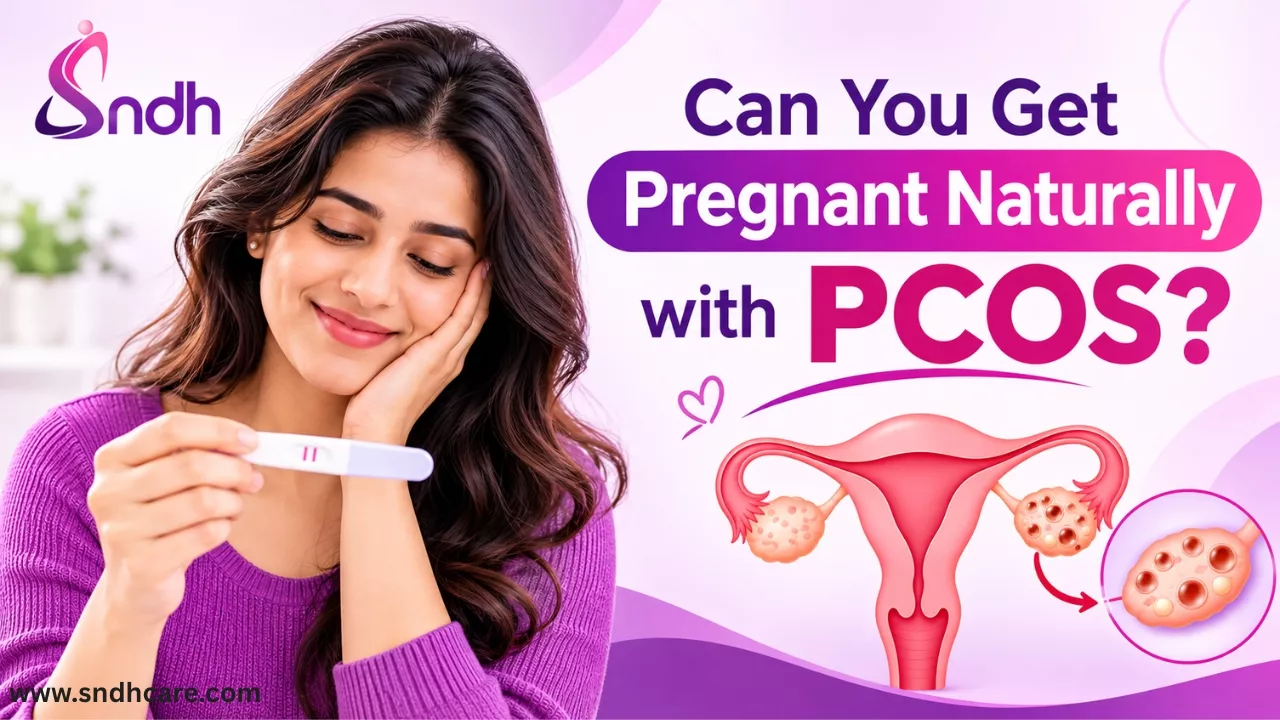
Can You Get Pregnant Naturally with PCOS?
If you have been told you have PCOS and you are hoping to become a mother, one question probably keeps coming back: “Can I really get pregnant naturally?”
The honest and hopeful answer is yes, many women with PCOS conceive naturally. PCOS does not mean you cannot have a baby. It means your body may need more support, patience and consistency to ovulate regularly. This guide explains why PCOS affects fertility and which natural habits can help your body find its rhythm again.
What Is PCOS, in Simple Words?
PCOS (Polycystic Ovary Syndrome) is a hormonal imbalance that affects how the ovaries work. Common signs include:
- Irregular, delayed or missed periods
- Weight gain, especially around the belly
- Acne and oily skin
- Excess facial or body hair
- Hair thinning on the scalp
- Mood swings, fatigue and sugar cravings
The “cysts” in the name are not harmful tumours. They are tiny, immature follicles that did not mature enough to release an egg.
Why Does PCOS Make Pregnancy Feel Difficult?
Pregnancy depends on ovulation, the monthly release of a mature egg. In PCOS, ovulation can become irregular or may not happen in some cycles. That is why periods become unpredictable.
Three things usually sit behind this:
- Insulin resistance. The body struggles to use sugar efficiently, so insulin stays high. High insulin can push the ovaries to produce more male hormones (androgens).
- Hormonal imbalance. Extra androgens interfere with the growth of a mature follicle.
- Chronic stress and inflammation. Ongoing stress raises cortisol, which can further disturb the cycle.
The good news is that all three respond well to daily lifestyle, food and stress habits. This is why natural care is so effective for PCOS.
The Natural View: How Ayurveda and Naturopathy See PCOS
Ayurveda looks at PCOS as an imbalance of the doshas, mainly Kapha (heaviness, sluggish metabolism) along with disturbed Vata (irregular cycle, anxiety) and sometimes aggravated Pitta (acne, anger, inflammation). Weak digestion (agni) and toxin build-up (ama) are also considered root causes.
Naturopathy takes a complementary view. It focuses on:
- Supporting digestion and metabolism
- Reducing inflammation through clean, whole food
- Improving blood circulation and detoxification
- Calming the nervous system
- Treating the person, not just the symptom
Together, these ideas shift the goal from “forcing a cycle” to restoring balance so that ovulation can return on its own.
7 Natural Ways to Support Fertility with PCOS
1. Eat to Balance Blood Sugar
Food is the strongest tool you have, because it directly affects insulin.
Include more of:
- Whole grains such as millets (ragi, jowar, bajra), oats and brown rice
- Fresh vegetables, especially leafy greens, bottle gourd, bitter gourd and drumstick
- Fruits like berries, guava, apple and pomegranate
- Lentils, sprouts and legumes for steady protein
- Nuts and seeds: soaked almonds, walnuts, flaxseed, pumpkin seeds
- Warm, freshly cooked home meals
Reduce:
- Refined flour (maida), white bread and bakery items
- Sugary drinks, sweets and packaged snacks
- Deep-fried and heavily processed food
- Excess dairy-based desserts and cold, heavy meals
Pair carbohydrates with protein and fibre so sugar rises slowly. Try not to skip breakfast, and keep dinner light and early.
2. Move Your Body Daily
Regular movement makes your cells more responsive to insulin. You do not need a harsh routine.
- A brisk 30–40 minute walk most days
- Gentle strength or body-weight exercises 2–3 times a week
- Surya Namaskar at a comfortable pace
- Cycling, swimming or dancing, whatever you will actually enjoy
Consistency matters more than intensity. Over-exercising can stress the body and delay ovulation, so listen to your energy levels.
3. Practise Yoga and Pranayama
Yoga improves pelvic circulation, calms the mind and supports hormonal balance. Poses often practised for PCOS and cycle health include:
- Baddha Konasana (Butterfly Pose)
- Bhujangasana (Cobra Pose)
- Setu Bandhasana (Bridge Pose)
- Malasana (Garland Pose)
- Supta Baddha Konasana (Reclining Bound Angle Pose)
Add breathing practices such as Anulom Vilom, Bhramari and deep belly breathing for 10–15 minutes daily. These lower stress and help the body shift from “survival mode” into “nourish and conceive” mode.
4. Protect Your Sleep
Poor sleep raises cortisol and worsens insulin resistance. Aim for 7–8 hours of sleep and try to follow a few simple habits:
- Sleep and wake at the same time every day
- Switch off screens at least an hour before bed
- Keep the room dark and cool
- Avoid heavy dinners late at night
Ayurveda recommends being in bed before 10 pm, when the body’s natural repair rhythm begins.
5. Manage Stress Gently
Emotional pressure around fertility can quietly make PCOS harder to manage. Build small, calming rituals into your day:
- 10 minutes of meditation or silent sitting
- Journaling your thoughts before bed
- Time outdoors in sunlight and fresh air
- Talking openly with your partner and family
- Setting boundaries around social media and comparison
A relaxed mind and a regular cycle are closely connected.
6. Support Healthy Weight, Without Obsession
For women who carry extra weight, even a modest reduction can help the body ovulate more regularly. But this should never turn into crash diets or guilt. Slow, steady and sustainable habits work better than drastic ones. Women with a lean build can also have PCOS, so the focus should always be on metabolic health, not just the number on the scale.
7. Support Digestion and Gentle Detox
In Ayurvedic thinking, strong digestion is the foundation of hormonal health. Simple daily habits include:
- Drinking warm water through the day
- Starting the morning with warm water and a little lemon
- Using common kitchen spices such as cumin, coriander, fennel, turmeric and cinnamon in cooking
- Eating mindfully, without screens, and stopping before you feel overfull
- Keeping meals at regular times
Track Your Cycle to Know Your Fertile Window
With PCOS, ovulation may not happen on day 14, so guessing can cause disappointment. Instead, observe your body:
- Cervical mucus: it becomes clear, stretchy and slippery (like raw egg white) near ovulation
- Basal body temperature: a small, steady rise after ovulation
- Mild pelvic twinge or breast tenderness in some women
- Cycle diary: record period dates, symptoms, mood and sleep for 3–4 months
These patterns reveal when your body is truly ready, which helps you and your partner time intimacy with understanding instead of stress.
Common Myths About PCOS and Pregnancy
Myth: PCOS means you can never conceive.
Fact: Many women with PCOS conceive naturally, sometimes after their cycles become more regular.
Myth: Irregular periods mean there is no ovulation at all.
Fact: Ovulation can still happen, just less predictably.
Myth: Only overweight women have PCOS.
Fact: PCOS affects women of all body types.
Myth: Pregnancy is “cured” overnight with one herb or one diet.
Fact: Lasting change comes from a combination of food, movement, sleep and stress care, followed patiently.
How Long Can It Take?
Every body is different. Some women notice better cycles within 2–3 months of consistent lifestyle changes, while others need 6 months or more. Treat this as a gradual healing journey. Small daily choices, repeated for months, add up to real hormonal change.
When Should You Seek Professional Guidance?
Please speak with a qualified practitioner if:
- You have not had a period for several months
- Your cycles are very painful or extremely heavy
- You have been trying for a year or more without success (or six months if you are over 35)
- Your symptoms are getting worse, even with healthy habits
A personalised assessment of your body type, lifestyle and cycle pattern is far more effective than following generic advice.
Related Read: How to Get Pregnant Naturally | Natural Pregnancy Guide
Conclusion
PCOS may change the pace of your fertility journey, but it does not close the door to motherhood. By balancing blood sugar through food, moving your body gently, sleeping well, calming your mind and understanding your own cycle, you give your body the best chance to ovulate and conceive naturally.
At SNDH Care – Ayurveda & Naturopathy Centre, the approach is rooted in natural healing: understanding your body type, correcting the root causes of hormonal imbalance, and guiding you with personalised lifestyle, diet and wellness support. If you are ready to take the first step towards a healthier cycle and a hopeful future, book a consultation and let your body find its natural balance again.